

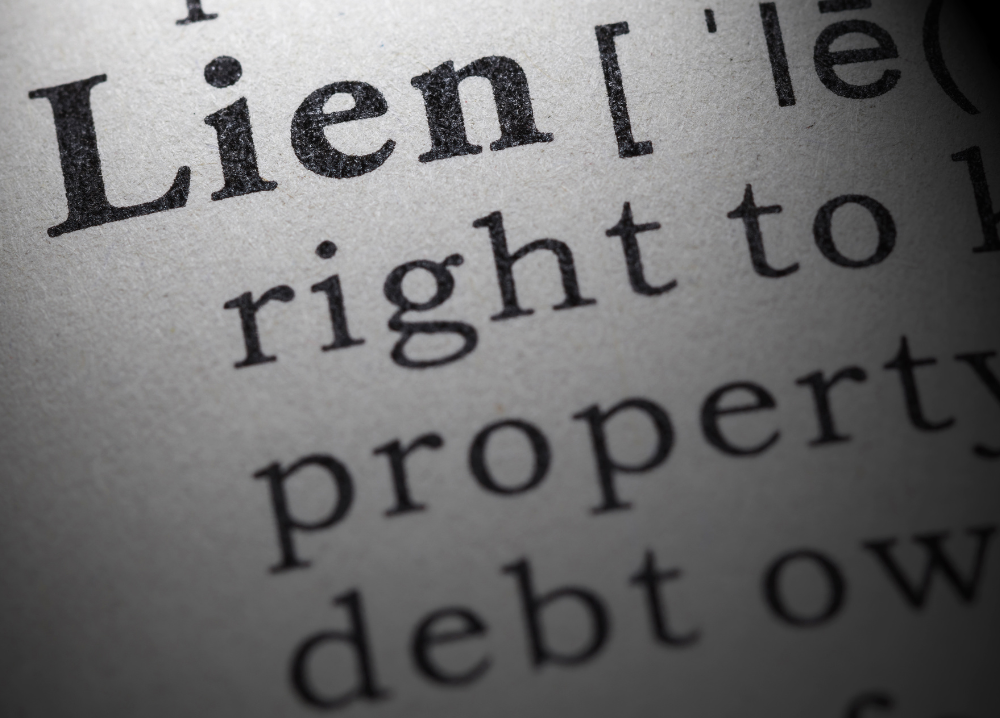
Mechanics Liens
A Mechanics lien is a legal claim that contractors or suppliers can file against your property if they are unpaid.
Below are resources and information that can help you understand how mechanics liens work and what to do if a lien is improperly placed on your property.
Understanding Mechanics Liens
A Mechanics lien is a legal claim that contractors or suppliers can file against your property if they are unpaid. Even if you paid your main contractor, a lien can be filed by subcontractors, laborers, or material suppliers.
A lien can:
- Affect your credit and property title
- Prevent home sales, borrowing against your property, or refinancing
- Potentially lead to a forced sale of your home.
To avoid a lien:
- Track all parties involved (contractors, subcontractors, suppliers).
- Use detailed contracts with payment terms and party info.
- Watch deadlines – subcontractors/suppliers have 20 days to send Preliminary Notices from the start of work/delivery of supplies.
- Pay with joint checks made payable to both the contractor and subcontractor or supplier to ensure proper payment.
- Collect lien waivers with every payment.
- File a Notice of Completion within 15 days to shorten lien filing periods.
If a lien has been placed against your property:
- Do not ignore it
- A contractor or material supplier has 90 days to enforce a mechanic’s lien through a lien foreclosure (lawsuit), which must be filed within 90 days of recording the lien; failing to do so often causes the lien to become invalid.
- If you are served with a summons and complaint, it is important to seek legal advice as soon as possible to discuss your rights and responsibilities.
Never make final payment until all work is complete and you receive lien releases. For more information, visit the Contractors State License Board.
If a property owner wants to dispute an invalid or fraudulent lien, you have several options:
- Request a Voluntary Release: Contact the lien claimant in writing and explain invalidity or full payment.
- Consult an Attorney: This is particularly important if the lien affects title, sale, or refinancing
- Serve a Formal Demand to Remove Lien: This is your right under Civil Code § 8480.
- File a Petition in Superior Court: This petition must include proof of ownership, a copy of the lien, an explanation of invalidity, and a request for release
- Seek Attorney Fees or Damages: This is allowed under Civil Code § 8488 if a lien is unreasonable or unpaid after demand
- File a Release Bond: This is an optional stop that clears title while legal dispute is pending.
Homeowners affected by the January 2025 fires can learn more about remediation and restoration services and how mechanics liens have affected some recovering from the fires.
County of Los Angeles Department of Consumer and Business Affairs. Last update: Feb. 18, 2026.